Air Suspension System Definition:
An air suspension system is a type of vehicle suspension
system that uses compressed air to support the weight of the vehicle and absorb
shocks from the road surface. It consists of air springs, which replace
traditional steel springs, and an air compressor, which inflates the air springs
to a specified pressure. The system also includes sensors and valves that
monitor and adjust the pressure in the air springs to maintain a consistent
ride height and level of damping.
Air suspension systems are commonly used in
luxury cars, trucks, buses, and commercial vehicles to provide a smooth and
comfortable ride, improve handling and stability, and adjust the ride height
for different driving conditions.
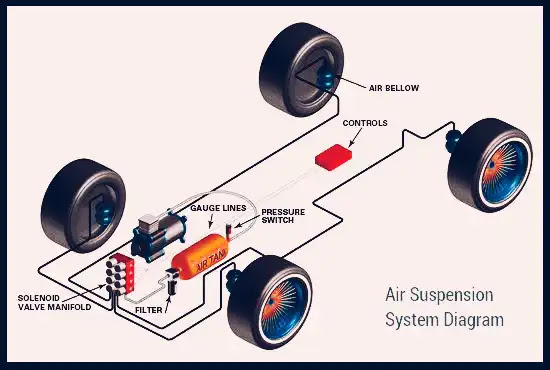
Main Parts of an Air suspension system:
The main parts of an air suspension system include:
- Air
springs: These replace traditional steel springs and are made of
reinforced rubber or plastic materials. They are designed to support the
weight of the vehicle and provide a cushioned ride. - Air
compressor: This is the component responsible for inflating the air
springs to the specified pressure. It draws in air from the environment
and compresses it to a high pressure using an electric motor. - Air
lines: These are the hoses that carry compressed air from the air
compressor to the air springs. - Air
reservoir: This is a tank that stores compressed air for use when the air
compressor is not running. It ensures that there is always enough air
available to inflate the air springs. - Control
module: This is the brain of the air suspension system. It receives data
from sensors located throughout the vehicle and uses this information to
adjust the pressure in the air springs to maintain a consistent ride
height and level of damping. - Height
sensors: These sensors measure the distance between the vehicle chassis
and the ground and send this information to the control module. The
control module uses this data to adjust the pressure in the air springs
and maintain the correct ride height. - Valves:
These are located throughout the air suspension system and are responsible
for controlling the flow of air between the air compressor, air reservoir,
air lines, and air springs. They are controlled by the control module to
ensure that the correct pressure is maintained in the air springs.
How does Air suspension system works?
An air suspension system works by using compressed air to
support the weight of the vehicle and absorb shocks from the road surface. Here
is a step-by-step explanation of how it works:
- The
vehicle’s height sensors detect the distance between the chassis and the
ground, and send this information to the control module. - The
control module uses this data to determine the correct pressure needed in
the air springs to maintain the vehicle at the desired ride height. - The
air compressor draws in air from the environment and compresses it to a
high pressure. - The
compressed air is stored in an air reservoir for use when the air
compressor is not running. - Air
flows from the air reservoir through air lines to the air springs. - As the
air springs inflate, they lift the vehicle to the desired ride height, and
provide cushioning for bumps and shocks. - The
control module continuously monitors the ride height and adjusts the air
pressure in the air springs as needed to maintain a consistent ride height
and level of damping. - Valves
located throughout the air suspension system regulate the flow of air
between the air compressor, air reservoir, air lines, and air springs, as
directed by the control module.
Overall, the air suspension system uses a combination of
sensors, valves, and compressed air to provide a smooth, comfortable, and
adjustable ride for the vehicle’s occupants.
What are different Types of Air suspension system?
There are several different types of air suspension systems
that are used in vehicles today. Here are some of the most common types:
- Conventional
air suspension system: This type of air suspension system uses air springs
and an air compressor to provide a smooth ride and adjust the ride height.
It is commonly used in luxury cars, SUVs, and trucks. - Electronically
controlled air suspension system: This system uses electronic sensors and
a control module to adjust the air pressure in the air springs and control
the ride height. It is commonly used in high-end luxury cars and sports
cars. - Air-over-hydraulic
suspension system: This system combines an air suspension system with
hydraulic components to provide even greater ride comfort and stability.
It is commonly used in heavy-duty trucks and buses. - Self-leveling
air suspension system: This type of air suspension system automatically
adjusts the ride height of the vehicle to compensate for changes in the
load, ensuring that the vehicle remains level at all times. It is commonly
used in station wagons, SUVs, and vans. - Four-corner
air suspension system: This system uses air springs at all four corners of
the vehicle, allowing for individual adjustment of each wheel. This allows
for greater control and stability in cornering and off-road driving. It is
commonly used in high-end SUVs and off-road vehicles.
Overall, air suspension systems can provide significant
benefits in terms of ride comfort, handling, and adjustability, and there are a
variety of systems available to suit different types of vehicles and driving
conditions.
What are Characteristics of an Air suspension system?
Air suspension systems offer several characteristics that
set them apart from other types of suspension systems. Here are some of the key
characteristics of air suspension systems:
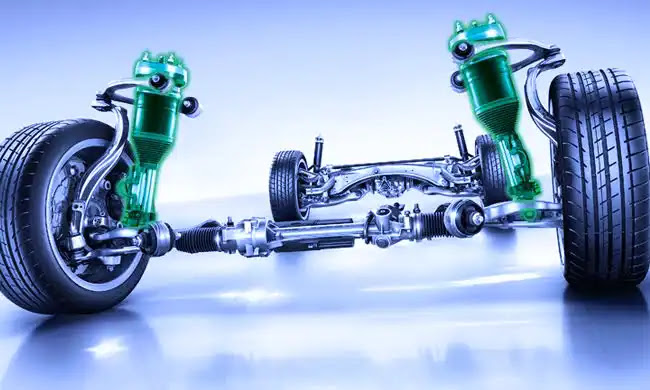
- Adjustable
ride height: Air suspension systems allow for adjustable ride height,
which can improve handling, stability, and ground clearance. This feature
is especially useful in off-road vehicles and heavy-duty trucks. - Smooth
ride: Air suspension systems provide a smoother and more comfortable ride
than traditional suspension systems, thanks to the air springs, which
absorb shocks and vibrations from the road surface. - Load
leveling: Air suspension systems can automatically adjust the ride height
of the vehicle to compensate for changes in the load, ensuring that the
vehicle remains level at all times. This feature is especially useful in
trucks and SUVs. - Improved
handling: Air suspension systems provide better handling and stability
than traditional suspension systems, thanks to the adjustable ride height
and the ability to adjust the damping characteristics of the system. - Reduced
wear and tear: Air suspension systems reduce wear and tear on the
vehicle’s tires, suspension components, and chassis, thanks to the
improved ride quality and reduced vibration. - Easy
adjustability: Air suspension systems are easy to adjust, with most
systems allowing for adjustments to the ride height and damping characteristics
using simple controls.
Overall, air suspension systems offer several key
characteristics that make them popular in a wide range of applications,
including improved ride comfort, handling, and adjustability, as well as load
leveling and reduced wear and tear.
Advantages and Disadvantages of air suspension system:
Air suspension systems offer several advantages and
disadvantages, which are summarized below:
Advantages:
- Improved
ride quality: Air suspension systems provide a smoother and more
comfortable ride than traditional suspension systems, thanks to the air
springs, which absorb shocks and vibrations from the road surface. - Adjustable
ride height: Air suspension systems allow for adjustable ride height,
which can improve handling, stability, and ground clearance. This feature
is especially useful in off-road vehicles and heavy-duty trucks. - Load
leveling: Air suspension systems can automatically adjust the ride height
of the vehicle to compensate for changes in the load, ensuring that the
vehicle remains level at all times. This feature is especially useful in
trucks and SUVs. - Improved
handling: Air suspension systems provide better handling and stability
than traditional suspension systems, thanks to the adjustable ride height
and the ability to adjust the damping characteristics of the system. - Reduced
wear and tear: Air suspension systems reduce wear and tear on the
vehicle’s tires, suspension components, and chassis, thanks to the
improved ride quality and reduced vibration. - Easy
adjustability: Air suspension systems are easy to adjust, with most
systems allowing for adjustments to the ride height and damping
characteristics using simple controls.
Disadvantages:
- Cost:
Air suspension systems can be more expensive to install and maintain than
traditional suspension systems. - Complexity:
Air suspension systems are more complex than traditional suspension
systems, with more components that can fail or require maintenance. - Potential
for air leaks: Air suspension systems rely on air pressure to operate,
which means that they are susceptible to leaks that can cause the system
to fail or lose performance. - Repairs
can be difficult: If an air suspension system requires repairs, it can be
more difficult to find a qualified technician who can diagnose and fix the
problem. - Power
consumption: Air suspension systems require a power source to operate,
which can reduce fuel efficiency in some vehicles.
Overall, air suspension systems offer several advantages
over traditional suspension systems, but they also have some drawbacks,
including higher cost, complexity, and potential for air leaks.
Difference between the air suspension system and
conventional suspension system:
The main difference between an air suspension system and a
conventional suspension system is the way they use different components to
provide damping and support to the vehicle. Here are some key differences:
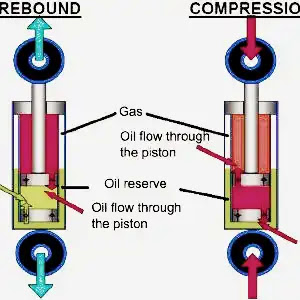
- Damping:
Conventional suspension systems typically use shock absorbers to provide
damping, while air suspension systems use air springs. Air springs provide
a smoother and more adjustable ride by adjusting the air pressure inside
the spring. - Load
carrying capacity: Air suspension systems can typically carry heavier loads
than conventional suspension systems, thanks to their load-leveling
capabilities. Conventional suspension systems rely on static springs that
are designed for a specific load range. - Ride
height adjustability: Air suspension systems allow for adjustable ride
height, which can improve handling, stability, and ground clearance.
Conventional suspension systems have a fixed ride height. - Comfort:
Air suspension systems provide a smoother and more comfortable ride than
conventional suspension systems, thanks to the air springs, which absorb
shocks and vibrations from the road surface. - Maintenance:
Air suspension systems are typically more complex than conventional
suspension systems, which can make them more expensive to maintain and
repair. - Cost:
Air suspension systems are typically more expensive than conventional
suspension systems due to their additional components and complexity.
Overall, air suspension systems provide better ride quality,
adjustability, and load carrying capacity than conventional suspension systems,
but they also come with higher costs and maintenance requirements.
Here is a table summarizing the main differences between air
suspension systems and conventional suspension systems:
|
Feature |
Air |
Conventional |
|
Damping |
Air |
Shock |
|
Load |
High |
Limited |
|
Ride |
Adjustable |
Fixed |
|
Comfort |
Smoother |
Rougher |
|
Maintenance |
More |
Less |
|
Cost |
More |
Less |
Overall, air suspension systems provide a smoother ride,
greater load carrying capacity, and more adjustability than conventional
suspension systems, but they are also more complex and expensive to maintain.
Conventional suspension systems are simpler and less expensive, but they offer
less adjustability and may not provide as smooth a ride.
What are Functions of the Air suspension system?
The main functions of an air suspension system are:
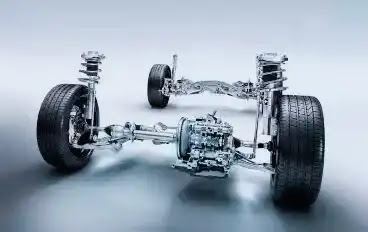
- Load
leveling: Air suspension systems are designed to maintain a level ride
height regardless of the load carried by the vehicle. This is especially
important in commercial vehicles that frequently carry heavy loads. - Improved
ride quality: Air suspension systems provide a smoother and more
comfortable ride than traditional suspension systems, thanks to the air
springs that absorb shocks and vibrations from the road. - Adjustable
ride height: Air suspension systems allow for adjustable ride height,
which can improve handling, stability, and ground clearance. This feature
is especially useful in off-road vehicles and heavy-duty trucks. - Improved
handling and stability: Air suspension systems provide better handling and
stability than traditional suspension systems, thanks to the adjustable
ride height and the ability to adjust the damping characteristics of the
system. - Reduced
wear and tear: Air suspension systems reduce wear and tear on the
vehicle’s tires, suspension components, and chassis, thanks to the
improved ride quality and reduced vibration. - Improved
safety: Air suspension systems improve vehicle safety by reducing body roll
and improving handling in emergency maneuvers.
Overall, the main functions of an air suspension system are
to improve ride quality, handling, and safety, while also reducing wear and
tear on the vehicle.
Uses of air suspension system:
The air suspension system has a wide range of uses in
various types of vehicles, including:
- Passenger
cars: Air suspension systems are commonly used in high-end luxury cars to
provide a smoother and more comfortable ride. - Commercial
vehicles: Air suspension systems are frequently used in commercial
vehicles, such as trucks and buses, to maintain a level ride height
regardless of the load carried by the vehicle. - Off-road
vehicles: Air suspension systems are commonly used in off-road vehicles to
provide adjustable ride height and improve ground clearance. - Emergency
vehicles: Air suspension systems are used in emergency vehicles, such as
ambulances and fire trucks, to improve ride quality and reduce the risk of
injury to patients or crew members. - Military
vehicles: Air suspension systems are used in military vehicles to improve
handling and stability in challenging terrain. - Racing
cars: Air suspension systems are used in racing cars to provide adjustable
ride height and improve handling on the track.
Overall, the air suspension system has many different uses in
various types of vehicles, and its ability to provide a smooth ride,
adjustability, and improved handling makes it a popular choice for many
applications.
Difference Between Air Suspension System And Rigid
Suspension System
The main difference between an air suspension system and a
rigid suspension system is that an air suspension system uses air springs to
support the weight of the vehicle, while a rigid suspension system uses
traditional metal springs or torsion bars.
Air suspension systems are typically found on luxury
vehicles, commercial trucks, and buses. They use compressed air to inflate
airbags that support the weight of the vehicle, providing a smooth ride and
adjustable ride height. The system can be adjusted to accommodate various loads
or road conditions, and some systems even have a self-leveling feature that
maintains a consistent ride height regardless of the load.
On the other hand, rigid suspension systems use metal
springs or torsion bars to support the weight of the vehicle. These systems are
typically found on smaller, lighter vehicles and are generally less expensive
than air suspension systems. Rigid suspension systems are usually less
adjustable than air suspension systems, and they offer a firmer ride that may
be less comfortable on rough roads.
In summary, the main differences between air suspension and
rigid suspension systems are the types of springs used and the ride
characteristics they provide. Air suspension systems offer a more comfortable
and adjustable ride, while rigid suspension systems are generally less
expensive and offer a firmer ride.
Here’s a table summarizing the main differences between air
suspension systems and rigid suspension systems:
|
Air |
Rigid |
|
Uses |
Uses |
|
Offers |
Offers |
|
Can be |
Generally |
|
Provides |
Does |
|
Typically |
Typically |
|
More |
Generally |
Working of Air Suspension:
Air suspension systems work by using compressed air to
inflate air springs, which are typically located between the vehicle’s frame
and suspension. Here is a brief overview of how an air suspension system works:
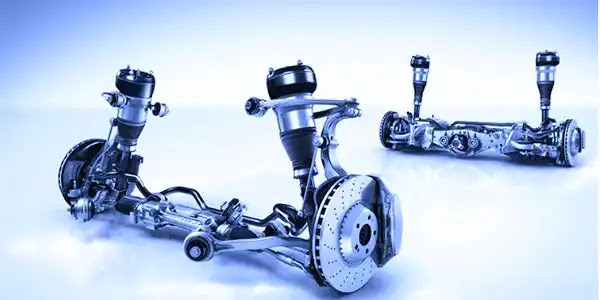
- Compressor:
The air suspension system begins with a compressor that is responsible for
compressing and storing air in a reservoir. The compressor is typically
located in the engine compartment of the vehicle and is powered by the
engine. - Air
Springs: The compressed air is then sent to the air springs, which are
typically made of rubber or plastic and are designed to support the weight
of the vehicle. The air springs can be inflated or deflated as needed to
adjust the ride height or to compensate for changes in vehicle weight. - Control
Module: An electronic control module is used to monitor the ride height
and adjust the air pressure in the air springs accordingly. The control
module can also adjust the ride height to compensate for changes in load
or to improve the vehicle’s aerodynamics at higher speeds. - Sensors:
The air suspension system also includes sensors that monitor the vehicle’s
height, acceleration, and other factors that can affect the ride quality.
The sensors send this data to the control module, which adjusts the air
pressure in the air springs accordingly.
Overall, air suspension systems offer a more comfortable and
adjustable ride than traditional suspension systems, and are often found on
luxury vehicles, commercial trucks, and buses.
Working of Air Suspension:
Air suspension systems work by using compressed air to
inflate air springs, which are typically located between the vehicle’s frame
and suspension. Here is a brief overview of how an air suspension system works:
- Compressor:
The air suspension system begins with a compressor that is responsible for
compressing and storing air in a reservoir. The compressor is typically
located in the engine compartment of the vehicle and is powered by the
engine. - Air
Springs: The compressed air is then sent to the air springs, which are
typically made of rubber or plastic and are designed to support the weight
of the vehicle. The air springs can be inflated or deflated as needed to
adjust the ride height or to compensate for changes in vehicle weight. - Control
Module: An electronic control module is used to monitor the ride height
and adjust the air pressure in the air springs accordingly. The control
module can also adjust the ride height to compensate for changes in load
or to improve the vehicle’s aerodynamics at higher speeds. - Sensors:
The air suspension system also includes sensors that monitor the vehicle’s
height, acceleration, and other factors that can affect the ride quality.
The sensors send this data to the control module, which adjusts the air
pressure in the air springs accordingly.
Overall, air suspension systems offer a more comfortable and
adjustable ride than traditional suspension systems, and are often found on
luxury vehicles, commercial trucks, and buses.