What is a First Time Buyer Mortgage?
A first time buyer mortgage is a type of home loan that is
specifically designed for individuals who are buying their first home. This
type of mortgage is typically offered by banks, credit unions, and other
financial institutions, and is intended to make homeownership more accessible
to those who may not have significant financial resources or a long credit
history.
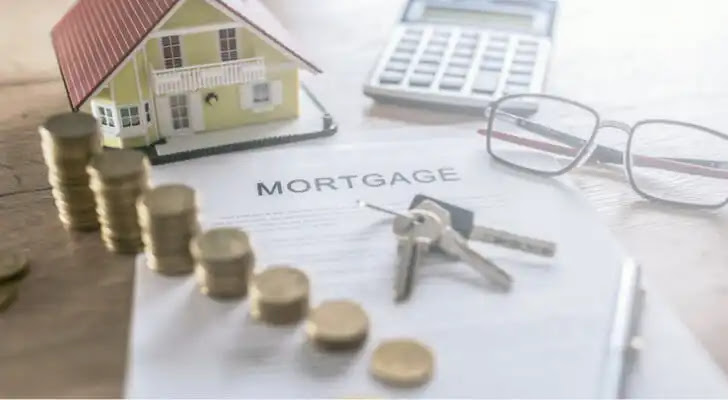
First time buyer mortgages often offer lower interest rates
and down payment requirements than traditional mortgages, making them an
attractive option for those who are just starting out. Some first time buyer
mortgages may also offer additional incentives, such as cashback or reduced
closing costs, to help buyers save money on their home purchase.
To qualify for a first time buyer mortgage, you typically
need to meet certain criteria, such as being a first-time homebuyer, having a
good credit score, and having a stable income. The specific requirements can
vary depending on the lender and the type of mortgage you are applying for.
If you are considering buying your first home, it may be
worth exploring your options for first time buyer mortgages to see if they
could help make your dream of homeownership a reality.
First time buyer mortgage
A first time buyer mortgage is a home loan specifically
designed for individuals who are purchasing their first home. First time buyer
mortgages typically offer lower interest rates and down payment requirements
than traditional mortgages, making homeownership more accessible to those who
may not have significant financial resources or a long credit history.
To qualify for a first time buyer mortgage, you typically
need to meet certain criteria, such as being a first-time homebuyer, having a
good credit score, and having a stable income. The specific requirements can
vary depending on the lender and the type of mortgage you are applying for.
When applying for a first time buyer mortgage, it’s
important to do your research and compare options from different lenders. Look
for mortgages with competitive interest rates, low down payment requirements,
and favorable terms and conditions. You may also want to consider working with
a mortgage broker, who can help you navigate the home-buying process and find
the best mortgage for your needs.
In addition to the mortgage itself, there are other costs
associated with buying a home, such as closing costs, property taxes, and
homeowners insurance. Be sure to factor these costs into your budget when
considering your options for a first time buyer mortgage.
How does getting a mortgage work if you’re a first-time
buyer?
If you’re a first-time buyer, the process of getting a
mortgage can be overwhelming, but it can be broken down into a few key steps:
- Determine
your budget: Before you start looking for a mortgage, it’s important to
figure out how much you can afford to borrow. Take a close look at your
finances and consider factors like your income, expenses, and credit score
to determine how much you can afford to spend on a home. - Shop
for mortgages: Once you have an idea of how much you can afford to borrow,
you can start shopping for mortgages. Look at different lenders and
compare their interest rates, fees, and other terms to find the best
option for your needs. - Get
pre-approved: Once you have found a mortgage that works for you, it’s a
good idea to get pre-approved for the loan. This will give you an idea of
how much you can borrow and help you get a better sense of what homes are
in your price range. - Find a
home: With your pre-approval in hand, you can start looking for homes that
fit your budget and needs. Work with a real estate agent to find
properties in your desired area and price range. - Apply
for the mortgage: Once you have found a home, you can apply for the
mortgage. You will need to provide documentation like proof of income and
employment, as well as information about the property you are purchasing. - Close
the deal: If your mortgage application is approved, you will move forward
with closing the deal. This typically involves signing a variety of
documents and paying closing costs, which can include fees for things like
appraisals, title searches, and legal fees.
Overall, the process of getting a mortgage as a first-time
buyer can be complex, but with the right preparation and support, it’s possible
to find a mortgage that works for your needs and budget.
First-time buyer’s deposit
As a first-time buyer, the deposit you need to put down on
your home purchase can vary depending on several factors. Typically, a deposit
of at least 5% to 10% of the property’s value is required to secure a mortgage,
but some lenders may require a larger deposit, especially if you have a
less-than-perfect credit history.

The size of your deposit will also impact the interest rate
you are offered on your mortgage. The larger the deposit, the better the
interest rate you can typically secure, which can save you thousands of dollars
over the life of the loan.
It’s important to note that the deposit is just one of the
costs associated with buying a home. You will also need to budget for other
expenses such as closing costs, legal fees, and property taxes. Be sure to
factor these costs into your budget when considering how much you can afford to
put down as a deposit.
If you are struggling to save up a deposit, there are some
government-backed schemes that can help, such as the Help to Buy ISA or the
Help to Buy equity loan scheme. Additionally, some lenders may offer first-time
buyer mortgages with lower deposit requirements, but these may come with higher
interest rates, so be sure to compare your options carefully.
What type of first-time buyer mortgage is best for you?
The type of first-time buyer mortgage that is best for you will
depend on your individual financial situation and preferences. Here are some of
the most common types of first-time buyer mortgages to consider:
- Fixed-rate
mortgages: These mortgages offer a fixed interest rate for a set period,
typically between 2 and 10 years. This can provide peace of mind as your
monthly payments will remain the same, regardless of any changes to
interest rates. - Adjustable-rate
mortgages: Also known as variable-rate mortgages, these loans have an
interest rate that can fluctuate based on market conditions. They can be
riskier than fixed-rate mortgages, but they may offer lower initial
interest rates. - FHA
loans: These loans are backed by the Federal Housing Administration and
offer lower down payment requirements, making them a popular choice for
first-time buyers who may not have significant savings. They also have
more flexible credit score requirements. - VA
loans: Available to eligible veterans and military members, VA loans offer
low or no down payment options and competitive interest rates. - Conventional
loans: These loans are not backed by the government and typically require
a larger down payment and higher credit score than FHA or VA loans, but
they may offer more flexible terms and lower interest rates.
When choosing a first-time buyer mortgage, it’s important to
consider factors such as interest rates, fees, down payment requirements, and
overall affordability. You may also want to work with a mortgage broker or
financial advisor who can help you compare your options and choose the best
mortgage for your needs.
When should I apply for a first-time mortgage?
You should begin the process of applying for a first-time
mortgage as soon as you start seriously considering buying a home. Here are
some things to keep in mind when deciding when to apply:
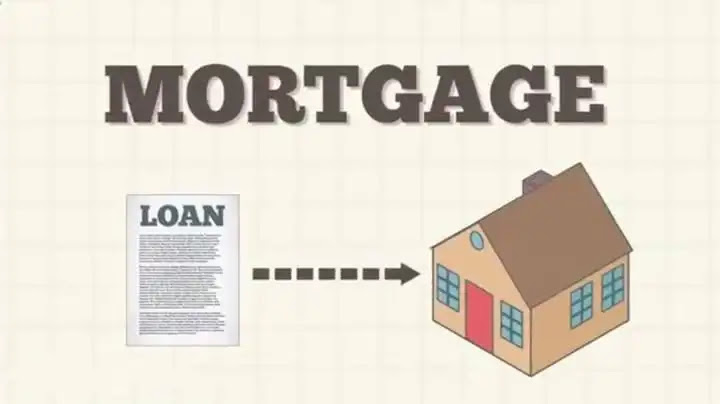
- Determine
your budget: Before you apply for a mortgage, you should have a clear
understanding of how much house you can afford. Consider your income,
expenses, and other financial obligations to determine a comfortable
monthly mortgage payment. - Check
your credit score: Your credit score is a major factor in determining whether
you will be approved for a mortgage and what interest rate you will be
offered. It’s a good idea to check your credit score early in the home
buying process and take steps to improve it if necessary. - Gather
your documents: Mortgage lenders will require a variety of documents to
verify your income, assets, and employment history. Start gathering these
documents early to ensure a smooth application process. - Get
pre-approved: Getting pre-approved for a mortgage can help you determine
how much you can afford to borrow and give you an advantage in a
competitive housing market. Pre-approval typically involves a credit check
and a review of your financial documents.
In general, it’s a good idea to start the mortgage
application process several months before you plan to purchase a home. This
will give you plenty of time to shop around for the best rates and terms and to
address any issues that may arise during the application process.
What schemes are available to help first time buyers?
There are several government-backed schemes available to
help first-time buyers get on the property ladder. Here are some of the most
common ones:
- Help
to Buy Equity Loan: This scheme is available to first-time buyers and
existing homeowners who want to buy a new-build property. With this
scheme, the government loans you up to 20% of the property’s value (or up
to 40% in London), which can be used as a deposit. You then need to secure
a mortgage for the remaining amount. - Help
to Buy ISA: This scheme is available to first-time buyers aged 16 and over
who are saving for a deposit on their first home. With this scheme, the
government contributes a 25% bonus to your savings (up to a maximum of
£3,000) when you use them to buy a property. - Shared
Ownership: With this scheme, you can buy a share (usually between 25% and
75%) of a property from a housing association and pay rent on the
remaining share. You can then increase your share in the property over
time, known as staircasing. - Right
to Buy: This scheme is available to council and housing association
tenants who have been renting their home for at least 3 years. It allows
you to buy your home at a discounted price. - Lifetime
ISA: This is a tax-free savings account available to those aged 18-39,
where you can save up to £4,000 per year and receive a 25% government
bonus on your savings. You can use the funds to purchase your first home
or to save for retirement.
These schemes can help first-time buyers with the cost of
buying a home and can make it easier to get on the property ladder. However,
it’s important to carefully consider the terms and conditions of each scheme to
determine which one is the best fit for your individual circumstances.
What else should I consider when getting a mortgage for
my first home?
When getting a mortgage for your first home, there are
several important factors to consider. Here are a few additional things to keep
in mind:
- Affordability:
Make sure that you can comfortably afford the monthly mortgage payments.
Consider your income, expenses, and other financial obligations to
determine what you can realistically afford. - Interest
rate: Shop around for the best interest rate on your mortgage. Even a
small difference in interest rate can make a big difference in the overall
cost of your mortgage. - Fees
and charges: Be aware of any fees and charges associated with the
mortgage, such as arrangement fees, valuation fees, and early repayment
charges. - Deposit
size: The larger your deposit, the better your mortgage rate is likely to
be. Aim to save up as much as you can before applying for a mortgage. - Mortgage
term: Consider the length of the mortgage term. A longer term may result
in lower monthly payments, but you will end up paying more in interest
over time. - Repayment
type: Decide whether you want a repayment mortgage, where you pay off the
loan and interest over the term of the mortgage, or an interest-only
mortgage, where you only pay the interest and must have a separate plan to
repay the loan at the end of the term. - Affordability
stress test: Be prepared to undergo an affordability stress test, where
your ability to make mortgage payments will be assessed against various
scenarios, such as a rise in interest rates or a change in your financial
circumstances.
These factors can significantly impact your mortgage and
your ability to afford your home. It’s important to consider them carefully and
seek professional advice if necessary.