What is The Radiator?
A radiator is a device used to transfer heat from one medium
to another for the purpose of cooling or heating. In automobiles, radiators are
used to cool the engine by transferring the heat generated by the engine to the
air passing through the radiator. The radiator is typically located at the
front of the vehicle and is made up of a series of small tubes that run
horizontally between two tanks.

Coolant, usually a mixture of water and antifreeze, is
circulated through the engine to absorb the heat generated by the combustion
process. The hot coolant is then pumped to the radiator, where it flows through
the tubes and is cooled by the air passing through the radiator fins. The
cooled coolant is then circulated back to the engine to absorb more heat.
In addition to automobiles, radiators are also used in other
applications where heat needs to be dissipated or transferred, such as in home
heating systems, air conditioning systems, and electronic devices. Radiators
come in various sizes and shapes, depending on thei r specific application, and
can be made of different materials such as copper, aluminum, or steel.
Types of Radiator
There are several types of radiators, each designed for a
specific application. Here are some of the most common types of radiators:
- Automotive
Radiators: These are the most common type of radiator, used in automobiles
to cool the engine. They typically consist of a series of small tubes that
run horizontally between two tanks. - Central
Heating Radiators: These are used in home heating systems to distribute
heat throughout a building. They are usually mounted on walls and come in
various shapes and sizes, including panel radiators, convector radiators,
and towel radiators. - Electric
Radiators: These are standalone radiators that use electricity to generate
heat. They are often used in smaller spaces, such as bedrooms or
bathrooms. - Low
Surface Temperature (LST) Radiators: These are designed to minimize the
risk of burns, making them ideal for use in schools, hospitals, and care
homes. - Oil-Filled
Radiators: These are electric radiators that use oil as a heat transfer
fluid. They are often used as portable heaters and are popular for their
energy efficiency. - Panel
Radiators: These are flat, rectangular radiators that are often used in
central heating systems. They are available in various sizes and are
popular for their ability to distribute heat evenly. - Convector
Radiators: These are similar to panel radiators, but they have fins that
help to increase the surface area and improve heat distribution. - Towel
Radiators: These are usually found in bathrooms and are designed to both
heat the room and dry towels.
The choice of radiator will depend on the specific
application, the space available, and the desired level of heat output.
Construction of Radiator
The construction of a radiator can vary depending on its
specific application, but generally, it consists of the following components:
- Core:
The core is the heart of the radiator and is made up of a series of small
tubes that run horizontally between two tanks. The tubes are often made of
aluminum or copper, and they are surrounded by thin metal fins that help
to increase the surface area for heat transfer. - Tanks:
The tanks are located at the top and bottom of the radiator and are used
to hold the coolant. They are usually made of plastic or aluminum and are
connected to the core by a series of hoses or pipes. - Inlet
and Outlet: The inlet and outlet are located at the top and bottom of the
radiator and are used to circulate the coolant through the engine. The
inlet and outlet are usually connected to the engine by a series of hoses
or pipes. - Fans:
Some radiators have fans mounted on them to increase the airflow and
improve cooling performance. The fans are usually mounted behind the core
and are powered by an electric motor. - Mounting
Brackets: Radiators are usually mounted to the vehicle or structure using
brackets. The brackets are usually made of metal and are designed to hold
the radiator securely in place.
The construction of a radiator is critical to its
performance, and the materials and design must be carefully selected to ensure
efficient heat transfer and durability.
Working Principle of Radiator
The working principle of a radiator is based on the transfer
of heat from a hot fluid to the surrounding air, through a combination of
conduction, convection, and radiation.
In an automotive radiator, hot coolant from the engine flows
into the radiator through the inlet, where it enters the tubes of the radiator
core. As the coolant flows through the tubes, it is cooled by the fins that
surround the tubes. The fins increase the surface area of the radiator,
allowing more heat to be transferred from the coolant to the air passing
through the radiator.
As the cooled coolant leaves the tubes of the radiator core,
it enters the tank at the bottom of the radiator, and then flows back to the
engine through the outlet. The cooled coolant absorbs heat from the engine and
the cycle continues.
In a central heating system, hot water flows through the
radiator, heating the metal fins that surround the tubes. The heat from the
fins is then transferred to the surrounding air, heating the room. As the
cooled water leaves the radiator, it returns to the boiler to be heated again.
In both cases, the transfer of heat is facilitated by the
movement of the fluid through the radiator, the metal fins that surround the
tubes, and the flow of air over the fins. The design of the radiator and the
materials used in its construction are critical to its ability to efficiently
transfer heat from the fluid to the air.
Cooling System In Engine
The cooling system in an engine is responsible for
maintaining the optimal operating temperature of the engine by dissipating heat
generated during combustion. Without a cooling system, the engine would
overheat and fail.
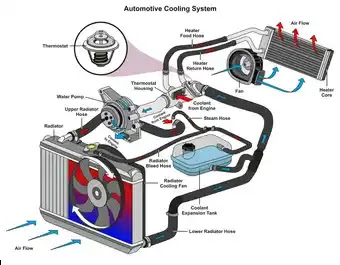
The cooling system in an engine typically consists of the
following components:
- Radiator:
The radiator is responsible for dissipating heat from the engine coolant,
which is circulated through the engine block to absorb heat generated
during combustion. - Water
Pump: The water pump is responsible for circulating the coolant throughout
the engine and radiator. It is usually driven by a belt connected to the
engine. - Thermostat:
The thermostat is a temperature-sensitive valve that controls the flow of
coolant through the engine. When the engine is cold, the thermostat
remains closed, which restricts the flow of coolant through the engine,
allowing it to heat up faster. Once the engine reaches operating
temperature, the thermostat opens, allowing coolant to flow through the
engine and radiator. - Hoses:
Hoses are used to connect the various components of the cooling system,
allowing coolant to flow between them. - Fan:
The fan is responsible for increasing the flow of air through the
radiator, which helps to dissipate heat from the coolant. It is usually
driven by an electric motor and is controlled by a temperature sensor that
detects the temperature of the coolant. - Coolant:
The coolant is a mixture of water and antifreeze that circulates through
the engine to absorb heat and prevent freezing.
The cooling system works by circulating the coolant through
the engine block, where it absorbs heat generated during combustion. The hot
coolant is then pumped to the radiator, where it is cooled by the flow of air
over the radiator fins. The cooled coolant is then returned to the engine block
to absorb more heat.
The efficiency of the cooling system depends on the proper
functioning of all the components, and regular maintenance is necessary to
ensure that the system is working correctly. Overheating can cause serious
damage to the engine, so it is essential to address any cooling system issues
as soon as they arise.
Can You Drive a Car Without a Radiator?
No, it is not possible to drive a car without a radiator.
The radiator is a critical component of the engine’s cooling system,
responsible for dissipating heat generated during combustion. Without a
radiator, the engine would quickly overheat and fail, causing serious damage.
The radiator works by circulating coolant through the engine
block to absorb heat, and then transferring that heat to the air flowing over
the radiator fins. This process helps to maintain the engine’s operating
temperature within a safe range.
If the radiator is not functioning correctly, the engine may
overheat, which can cause damage to the engine components such as warped
cylinder heads, burnt pistons, and blown gaskets. It is not recommended to
drive a car without a properly functioning radiator, as it can lead to
expensive repairs and even engine failure.
In summary, a radiator is a critical component of a car’s
engine cooling system, and driving without one is not possible without causing
serious damage to the engine.
Causes an Engine To Overheat?
There are several factors that can cause an engine to
overheat. Here are some of the most common causes:
- Low coolant
level: If the coolant level is too low, there won’t be enough fluid to
circulate through the engine and absorb the heat, causing it to overheat. - Faulty
thermostat: The thermostat regulates the flow of coolant through the
engine. If it’s stuck closed, coolant won’t flow properly, and the engine
will overheat. - Broken
water pump: The water pump circulates coolant through the engine. If it’s
broken or malfunctioning, it won’t be able to move the coolant
efficiently, causing the engine to overheat. - Blocked
radiator: The radiator is responsible for dissipating the heat from the
coolant. If it’s blocked with debris or rust, it won’t be able to do its
job effectively, leading to engine overheating. - Malfunctioning
cooling fan: The cooling fan helps to pull air through the radiator to
cool the coolant. If it’s not working properly, the coolant won’t be
cooled effectively, and the engine will overheat. - Leaking
coolant: If there’s a leak in the coolant system, it can lead to a low
coolant level and overheating. - Heavy
loads or towing: When the engine is under a heavy load, such as when
towing a trailer or carrying a heavy load, it generates more heat than
usual, which can cause overheating if the cooling system is not able to
keep up.
If you notice that your engine is overheating, it’s
important to address the issue as soon as possible to prevent engine damage or
failure.
What Is The Sign of A Bad Radiator?
A bad radiator can show a few different signs, including:
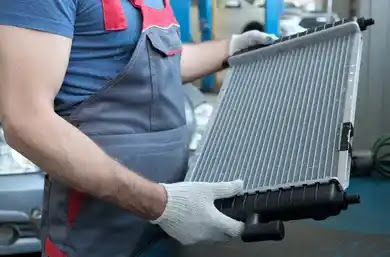
- Overheating
engine: If the radiator isn’t functioning properly, it can’t cool the
engine coolant, causing the engine to overheat. - Coolant
leak: A leak in the radiator can cause coolant to leak out, which can lead
to low coolant levels and overheating. - Rust
or corrosion: A bad radiator may have rust or corrosion on the outside or
inside of the unit. This can cause blockages and decrease the radiator’s
effectiveness. - Discolored
coolant: If the coolant is discolored or rusty, it could be a sign that
the radiator is rusting from the inside. - Steam
or smoke coming from the radiator: This can be a sign of a coolant leak or
a damaged radiator.
If you notice any of these signs, it’s important to have
your radiator inspected and repaired or replaced as soon as possible to avoid
engine damage or failure.