Grinding Machine Definition:
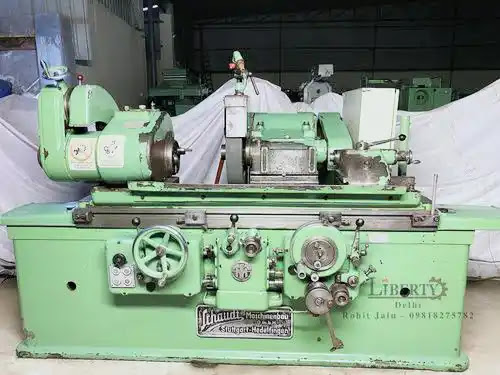
A grinding machine is a machine tool that is used to shape
and finish metal or other materials by removing small amounts of material from
the surface of the workpiece. Grinding machines use abrasive wheels or belts to
remove material from the workpiece, which is typically held in place on a
rotating chuck or table.
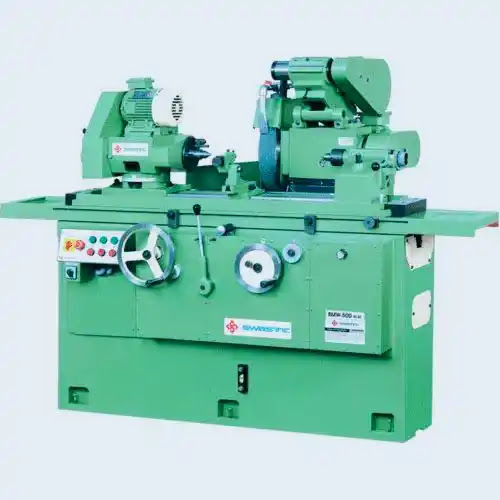
Grinding machines can be used to perform a variety of tasks,
including surface grinding, cylindrical grinding, and tool and cutter grinding.
Surface grinding machines are used to grind flat surfaces and can produce a
smooth, fine finish on the workpiece. Cylindrical grinding machines are used to
grind cylindrical surfaces and can produce a high degree of accuracy and
precision. Tool and cutter grinding machines are used to sharpen and
recondition cutting tools such as milling cutters, drill bits, and tool bits.
Grinding machines can be operated manually or with computer
numerical control (CNC) technology. CNC grinding machines use computer
programming to control the movements and speeds of the grinding wheel and
workpiece, allowing for precise and repeatable grinding operations. Grinding
machines are used in a wide range of industries, including manufacturing,
automotive, aerospace, and medical device manufacturing.
Parts of Grinding Machine
The following are the main parts of a grinding machine:
- Bed:
The bed is the foundation of the grinding machine and supports the other
machine components. It is usually made of cast iron or granite and
provides a stable and rigid platform for the grinding process. - Headstock:
The headstock holds the workpiece in place and is mounted on the bed. It
contains a spindle that rotates the workpiece and may also contain a chuck
or other holding device. - Tailstock:
The tailstock is located opposite the headstock and supports the other end
of the workpiece. It can be adjusted to provide additional support and to
control the length of the workpiece. - Grinding
wheel: The grinding wheel is the cutting tool of the grinding machine and
is mounted on a spindle that rotates at high speed. It is typically made
of abrasive particles bonded together in a matrix, and the size and type
of abrasive can be chosen to achieve the desired surface finish. - Wheel
guard: The wheel guard encloses the grinding wheel and protects the
operator from flying debris and the rotating wheel. - Workrest:
The workrest is a support for the workpiece and is located between the
grinding wheel and the tailstock. It can be adjusted to control the height
and angle of the workpiece. - Table:
The table is the platform that supports the workpiece and can be moved
back and forth beneath the grinding wheel to achieve the desired grinding
result. - Coolant
system: The coolant system is used to cool and lubricate the grinding
wheel and workpiece, reducing heat and preventing damage to the machine
and workpiece. - Control
panel: The control panel houses the controls and displays for the machine,
allowing the operator to adjust and monitor the grinding process.
These are the main parts of a grinding machine, but there
may be additional components depending on the specific type and application of
the machine.
Working Principle of Grinding Machine
The working principle of a grinding machine is quite simple.
It involves a rotating abrasive wheel that is used to remove material from the
surface of a workpiece, which is held in place on a bed or a fixture. As the
grinding wheel rotates, it cuts into the workpiece, removing small chips of
material.
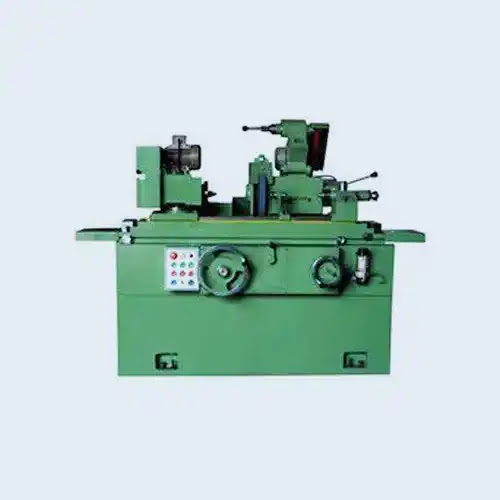
The grinding machine is typically equipped with a grinding
wheel that rotates around a spindle. The spindle can be adjusted up and down to
control the depth of cut, and the grinding wheel can be adjusted to control the
width of the cut. The workpiece is held in place on a bed or a fixture, and the
grinding wheel moves back and forth across the surface of the workpiece,
removing material with each pass.
The amount of material that is removed with each pass of the
grinding wheel is determined by several factors, including the speed of the
grinding wheel, the depth of cut, the hardness of the workpiece, and the type
of abrasive used on the grinding wheel. The grinding wheel can be made of
various materials, including aluminum oxide, silicon carbide, diamond, or cubic
boron nitride, each of which is suited to different types of grinding
operations and workpiece materials.
Grinding machines can be manually operated or can be
computer numerical control (CNC) machines, which use computer programming to
control the movements and speeds of the grinding wheel and workpiece, allowing
for precise and repeatable grinding operations. CNC machines can also be
equipped with additional features, such as automatic tool changers and
automatic part loading and unloading systems, which can increase the efficiency
and productivity of the grinding process.
Grinding Machine Operation
A grinding machine can be used for a variety of purposes,
including:
- Grinding
surfaces: A grinding machine can be used to grind the surface of metal,
wood, or other materials to a smooth finish. This is commonly used in the
production of precision components, such as those used in aerospace and
automotive industries. - Sharpening
tools: A grinding machine can be used to sharpen tools such as chisels,
drill bits, and knives. This is important to maintain the sharpness of the
tool and extend its lifespan. - Removing
material: A grinding machine can be used to remove material from a
workpiece, shaping it into a desired form. This is commonly used in the
manufacturing of parts and components. - Polishing:
A grinding machine can be used to polish a surface, creating a smooth and
shiny finish. This is commonly used in the production of decorative items
such as jewelry and other metallic items. - Cutting:
A grinding machine can be used to cut materials, such as metal or
ceramics, using a grinding wheel or cutting tool. This is commonly used in
the production of precision components or in material removal
applications.
Overall, a grinding machine is a versatile tool that can be
used for a variety of purposes in manufacturing, metalworking, woodworking, and
other industries.
Types of Grinding Machine
There are several types of grinding machines used in the
metalworking industry, each designed for a specific purpose. Here are some of
the most common types of grinding machines:
- Surface
Grinding Machine: This machine uses a horizontal grinding wheel to grind
the surface of a workpiece. The workpiece is held in place on a magnetic
chuck or a table and moves back and forth under the grinding wheel. - Cylindrical
Grinding Machine: This machine is used to grind cylindrical surfaces, both
internal and external. The workpiece is held in place on a chuck or a
center, and the grinding wheel rotates around it. - Centerless
Grinding Machine: This machine is used to grind cylindrical parts without
using a center. The workpiece is supported by a work rest blade and a
regulating wheel applies pressure to the part, holding it in place as it
rotates. - Tool
and Cutter Grinding Machine: This machine is used to sharpen and
recondition cutting tools such as drills, milling cutters, and end mills.
It uses a grinding wheel to shape the tool to the desired geometry. - Jig
Grinding Machine: This machine is used to grind complex shapes and holes
with a high degree of precision. It uses a grinding wheel and a precision
spindle to hold the workpiece in place. - Belt
Grinding Machine: This machine uses a belt to grind the surface of a
workpiece. It can be used for both rough grinding and finishing
operations. - Bench
Grinding Machine: This machine is mounted on a bench or a pedestal and is
used for grinding small parts. It uses a grinding wheel to remove material
from the workpiece. - Pedestal
grinding machine: This type of grinding machine is mounted on a pedestal,
which is typically bolted to the floor. It is used for grinding small and
medium-sized objects. - Portable
grinding machine: This type of grinding machine is lightweight and easy to
carry, making it suitable for use in the field or at remote job sites.
Overall, there are many different types of grinding
machines, each with its own specific purpose and capabilities. Choosing the
right type of machine for a given application is important for achieving the
desired results.
Read More: What is Turret Lathe? Detailed Discussion about Turret Lathe
Advantages of Disadvantages of Grinding Machine
Advantages of Grinding Machine:
- High
precision: Grinding machines are capable of producing high levels of
precision and accuracy in the finished product. - Versatility:
Grinding machines can be used for a wide range of applications, from rough
grinding to fine polishing. - Efficiency:
Grinding machines can remove material quickly and efficiently, resulting
in higher productivity and throughput. - Automation:
Many grinding machines are capable of automated operation, reducing the
need for manual labor and increasing efficiency. - Cost-effectiveness:
Grinding machines can be a cost-effective solution for a variety of
applications, particularly in high-volume production environments.
Disadvantages of Grinding Machine:
- Heat
generation: Grinding can generate a significant amount of heat, which can
cause distortion or warping of the workpiece, particularly if it is made
of a heat-sensitive material. - Noise:
Grinding machines can generate a lot of noise, which can be a workplace
hazard and cause hearing damage over time. - Safety
risks: Grinding machines can be dangerous if proper safety precautions are
not taken. Operators must be trained and equipped with the proper
protective gear to avoid injury. - Limited
applications: Grinding machines may not be suitable for all applications,
particularly those involving delicate or fragile materials. - Maintenance:
Grinding machines require regular maintenance and calibration to ensure
they continue to operate properly and produce high-quality results.
Overall, the advantages and disadvantages of grinding
machines depend on the specific application and the materials being worked on.
Careful consideration of these factors is necessary to determine whether
grinding is the best solution for a given manufacturing process.
Read More: Planer Machine: Definition, Parts, Working Principle, Types, Operation, Advantages, Application
Grinding Machines Safety and Precautions
Grinding machines can be hazardous if proper safety
precautions are not taken. Here are some important safety tips and precautions
to follow when using a grinding machine:
- Read
the manual: Before operating a grinding machine, it is important to read
the manufacturer’s manual thoroughly to understand its proper use,
maintenance, and safety requirements. - Wear
protective gear: Always wear appropriate protective gear, such as safety
glasses, gloves, and hearing protection, when operating a grinding
machine. - Check
the grinding wheel: Inspect the grinding wheel for damage or wear before
using the machine. A damaged or worn wheel can break during use, causing
serious injury. - Secure
the workpiece: Ensure that the workpiece is securely held in place on the
machine to prevent it from moving during grinding. Use clamps or other
fixtures as necessary. - Keep
the work area clean: Keep the work area clean and free of debris to
prevent tripping hazards and to avoid the risk of the machine jamming. - Use
the proper grinding wheel: Always use the grinding wheel that is
recommended by the manufacturer for the specific material and application. - Adjust
the machine properly: Ensure that the machine is properly adjusted before
use. The machine’s speed, feed, and depth of cut should be set according
to the specific application. - Use
the machine properly: Operate the machine according to the manufacturer’s
instructions and recommendations. Avoid excessive force or pressure, which
can cause the wheel to break or the workpiece to be damaged. - Monitor
the machine: Pay close attention to the machine during use, and stop the
machine immediately if any abnormal vibration, noise, or movement is
observed. - Turn
off the machine: Always turn off the machine and unplug it from the power
source when not in use, and before making any adjustments or maintenance.
Following these safety tips and precautions can help reduce
the risk of injury and ensure safe and effective use of a grinding machine.
Read More: Shaper Machine: Definition, Parts, Working Principle, Types, Operation, Advantages, Application