What is Cutting Fluid?
A cutting fluid, also known as cutting oil or coolant, is a
liquid that is used during machining operations to lubricate and cool the
cutting tool and workpiece. Cutting fluids can be applied in various ways,
including as a spray, mist, flood, or through the cutting tool itself.
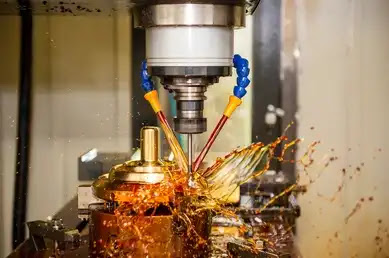
The primary purpose of cutting fluid is to reduce the heat
generated during machining, which can cause the cutting tool to wear
prematurely or damage the workpiece. Cutting fluids also help to reduce
friction between the cutting tool and workpiece, which can improve surface
finish and reduce the chance of workpiece deformation or damage.
There are many types of cutting fluids available, each with
their own specific properties and uses. Some common types of cutting fluids
include mineral oil-based fluids, synthetic fluids, semi-synthetic fluids, and
water-based fluids. The choice of cutting fluid depends on several factors,
including the type of material being machined, the machining operation being
performed, and the desired surface finish.
Overall, cutting fluids play an important role in improving
the performance and longevity of cutting tools and workpieces during machining
operations.
Types of Cutting Fluids:
There are several types of cutting fluids available, each
with their own unique properties and benefits. Here are some of the most common
types of cutting fluids:
- Mineral
oil-based fluids: These are traditional cutting fluids that are formulated
with petroleum-based oils. They offer good lubrication and cooling
properties, but can be flammable and have a high environmental impact. - Synthetic
fluids: These are chemically synthesized cutting fluids that offer
improved lubrication and cooling properties over mineral oil-based fluids.
They are often used for high-speed cutting operations and have a lower
environmental impact. - Semi-synthetic
fluids: These are a blend of mineral oil-based fluids and synthetic
fluids. They offer good lubrication and cooling properties, with a lower
environmental impact than mineral oil-based fluids. - Water-based
fluids: These are cutting fluids that are primarily composed of water,
along with additives to improve lubrication and cooling properties. They
are often used in high-speed cutting operations and have a low
environmental impact. - Vegetable
oil-based fluids: These are cutting fluids that are formulated with
vegetable-based oils, such as soybean oil or canola oil. They offer good
lubrication and cooling properties, with a lower environmental impact than
mineral oil-based fluids. - Solid
lubricants: These are cutting fluids that are formulated with solid
lubricants, such as graphite or molybdenum disulfide. They offer good
lubrication properties but may not provide adequate cooling, and may be
difficult to clean.
The choice of cutting fluid depends on several factors,
including the type of material being machined, the machining operation being
performed, and the desired surface finish. It’s important to select a cutting
fluid that is compatible with the machine tool and workpiece materials, and to
follow the manufacturer’s recommendations for use and disposal.
Uses of Cutting Fluids:
Cutting fluids are used in a variety of machining
operations, including drilling, turning, milling, grinding, and sawing. Here
are some of the key uses of cutting fluids:
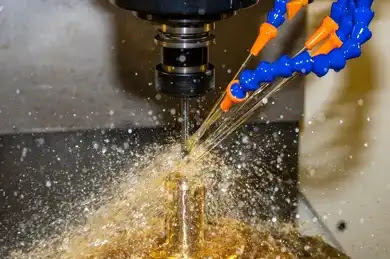
- Lubrication:
Cutting fluids are used to lubricate the cutting tool and workpiece, reducing
friction and wear during machining. This helps to prolong the life of the
cutting tool and improve surface finish. - Cooling:
Cutting fluids are used to cool the cutting tool and workpiece,
dissipating the heat generated during machining. This helps to prevent
thermal damage to the workpiece and prolong the life of the cutting tool. - Chip
removal: Cutting fluids help to flush away chips and debris that are
generated during machining, preventing them from accumulating and causing
damage to the workpiece or cutting tool. - Corrosion
protection: Cutting fluids can provide a protective coating on the
workpiece, preventing corrosion and rusting. - Surface
finish improvement: Cutting fluids can help to improve surface finish by
reducing friction and minimizing the occurrence of burrs or other defects. - Environmental
protection: Cutting fluids can help to reduce the amount of waste
generated during machining by improving tool life and reducing the need
for frequent tool changes. They can also help to reduce air pollution by
capturing dust and other particles generated during machining.
Overall, cutting fluids play an important role in improving
the performance, efficiency, and quality of machining operations. However, it’s
important to select a cutting fluid that is compatible with the machine tool
and workpiece materials, and to follow the manufacturer’s recommendations for
use and disposal to ensure safe and effective use.
Purpose
of Cutting Fluid:
The purpose of cutting fluid is to lubricate, cool, and
protect the cutting tool and workpiece during machining operations.
- Lubrication:
Cutting fluids help to reduce friction and wear between the cutting tool
and workpiece, improving tool life and surface finish. - Cooling:
Cutting fluids help to dissipate the heat generated during machining,
preventing thermal damage to the workpiece and tool. - Chip
removal: Cutting fluids help to flush chips away from the cutting zone,
preventing chip buildup and reducing the risk of tool breakage. - Corrosion
protection: Cutting fluids can provide a protective coating on the
workpiece, preventing corrosion and rusting. - Improved
machining performance: Cutting fluids can improve machining performance by
reducing tool wear and breakage, improving surface finish, and increasing
machining speeds and feeds.
Overall, the purpose of cutting fluid is to improve the
efficiency, quality, and safety of machining operations by reducing friction
and wear, dissipating heat, protecting against corrosion, and improving
machining performance. The selection of the appropriate cutting fluid depends
on the specific machining operation, workpiece material, and machine tool.
Selection of Cutting Fluid:
The selection of a cutting fluid depends on several factors,
including the type of material being machined, the machining operation being
performed, and the desired surface finish. Here are some key factors to
consider when selecting a cutting fluid:
- Material
compatibility: The cutting fluid should be compatible with the machine
tool and workpiece materials. Some cutting fluids may be more effective
for certain materials, such as aluminum, steel, or titanium. - Machining
operation: Different machining operations may require different types of
cutting fluids. For example, high-speed machining may require a cutting
fluid that provides better cooling and lubrication properties, while
grinding may require a fluid that reduces heat and friction. - Surface
finish: The desired surface finish can also influence the selection of a
cutting fluid. Some cutting fluids may be more effective at reducing
surface roughness, minimizing burrs, or producing a specific surface
finish. - Environmental
impact: The environmental impact of the cutting fluid should also be
considered. Some cutting fluids may be hazardous to the environment or
require special handling and disposal methods. - Cost:
The cost of the cutting fluid should also be considered, as it can vary
widely depending on the type and quantity of fluid needed for the
application. - Regulatory
requirements: There may be regulatory requirements that dictate the use of
specific types of cutting fluids, particularly in certain industries or
applications.
Overall, it’s important to select a cutting fluid that is
compatible with the machine tool and workpiece materials, and that meets the
specific requirements of the machining operation. It’s also important to follow
the manufacturer’s recommendations for use and disposal to ensure safe and
effective use of the cutting fluid.
Properties of Good Cutting Fluid:
Good cutting fluids should have the following properties:
- Lubricity:
Cutting fluids should have good lubricity to reduce friction and wear
during machining. This helps to prolong the life of the cutting tool and
improve surface finish. - Cooling:
Cutting fluids should have good cooling properties to dissipate the heat
generated during machining. This helps to prevent thermal damage to the
workpiece and prolong the life of the cutting tool. - Chemical
stability: Cutting fluids should be chemically stable and resist
degradation, even at high temperatures and pressures. This helps to ensure
consistent performance and prolong the life of the fluid. - Corrosion
protection: Cutting fluids should provide a protective coating on the
workpiece, preventing corrosion and rusting. - Low
foaming: Cutting fluids should have low foaming properties to prevent the
buildup of foam and reduce the risk of air pockets or voids during
machining. - Low
toxicity: Cutting fluids should be non-toxic and safe to handle,
minimizing the risk of harm to workers and the environment. - Low
viscosity: Cutting fluids should have a low viscosity to facilitate flow
through the cutting tool and workpiece, improving cooling and lubrication. - Compatibility:
Cutting fluids should be compatible with the machine tool and workpiece
materials, ensuring effective performance and reducing the risk of damage
or contamination.
Overall, good cutting fluids should provide effective
lubrication and cooling properties, resist degradation and corrosion, and be
safe to handle and dispose of. It’s important to select a cutting fluid that is
appropriate for the specific machining operation and follow the manufacturer’s
recommendations for use and disposal to ensure safe and effective use.
Applications of Cutting Fluid:
Cutting fluids have a wide range of applications in various
machining operations, including:
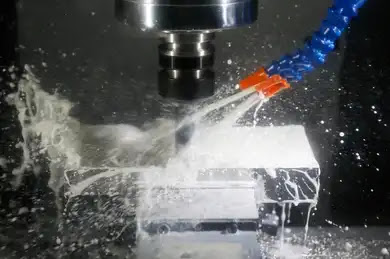
- Drilling:
Cutting fluids are used to lubricate and cool the drill bit during
drilling operations, helping to prolong the life of the bit and improve
hole quality. - Turning:
Cutting fluids are used to lubricate and cool the cutting tool and
workpiece during turning operations, helping to reduce friction and wear
and improve surface finish. - Milling:
Cutting fluids are used to lubricate and cool the milling cutter and
workpiece during milling operations, helping to improve tool life and
surface finish. - Grinding:
Cutting fluids are used to reduce heat and friction during grinding
operations, helping to prevent thermal damage to the workpiece and improve
surface finish. - Sawing:
Cutting fluids are used to lubricate and cool the saw blade during sawing
operations, helping to prolong blade life and improve cut quality. - Tapping:
Cutting fluids are used to lubricate and cool the tap during tapping
operations, helping to reduce wear and improve thread quality. - Broaching:
Cutting fluids are used to lubricate and cool the broaching tool and
workpiece during broaching operations, helping to improve tool life and
surface finish.
Overall, cutting fluids play an important role in improving
the performance, efficiency, and quality of various machining operations. It’s
important to select a cutting fluid that is appropriate for the specific
application and follow the manufacturer’s recommendations for use and disposal
to ensure safe and effective use.
Advantages and Disadvantages of Cutting Fluid:
Advantages of using cutting fluids include:
- Improved
tool life: Cutting fluids can reduce friction and wear on cutting tools,
helping to prolong their life. - Better
surface finish: Cutting fluids can help to reduce surface roughness and
produce a smoother, more polished surface finish. - Increased
productivity: Cutting fluids can help to increase machining speeds and
feeds, reducing cycle times and increasing productivity. - Reduced
heat: Cutting fluids can help to dissipate the heat generated during
machining, preventing thermal damage to the workpiece and prolonging tool
life. - Improved
chip evacuation: Cutting fluids can help to flush chips away from the
cutting zone, preventing chip buildup and reducing the risk of tool
breakage.
Disadvantages of using cutting fluids include:
- Environmental
impact: Cutting fluids can be hazardous to the environment if not handled
and disposed of properly. - Health
hazards: Some cutting fluids can be harmful if ingested or come into
contact with skin, eyes, or mucous membranes. - Cost:
Cutting fluids can be expensive, particularly for high-volume
applications, and their cost can be a significant factor in overall
machining costs. - Maintenance
requirements: Cutting fluids require regular maintenance and monitoring to
ensure their effectiveness and prevent contamination. - Cleanliness:
Cutting fluids can create a mess if not handled properly, requiring
additional cleaning and maintenance of the work area and machine tool.
Overall, the advantages of using cutting fluids typically
outweigh the disadvantages, particularly in high-volume or precision machining
applications. However, it’s important to handle and dispose of cutting fluids
properly and follow recommended safety and maintenance procedures to minimize
their environmental and health impacts.