What is a Drill Machine?
A drill machine, also known as a drilling machine, is a
power tool that is used to make holes in various materials, such as wood,
metal, plastic, and masonry. It works by rotating a drill bit at high speed,
which cuts into the material to create a hole.
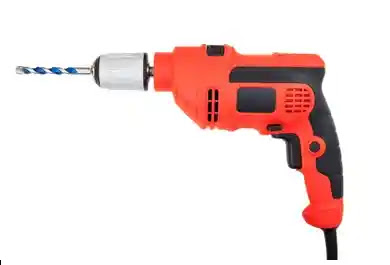
A drill machine typically consists of a motor, a chuck, and
a drill bit. The motor powers the rotation of the chuck, which holds the drill
bit in place. The drill bit is the cutting tool that makes contact with the
material to be drilled.
There are different types of drill machines available, such
as corded and cordless models, handheld and stationary models, and those
designed for specific tasks, such as hammer drills for masonry work. They are
widely used in construction, woodworking, metalworking, and many other
industries.
Types of Drill Machines
There are several types of drill machines available, each
with their own specific features and functions. Here are some of the most
common types:
- Handheld
Drill Machine: This is the most common type of drill machine, which is
held in the hand and used for drilling holes in various materials. - Cordless
Drill Machine: This type of drill machine operates on battery power,
making it portable and easy to use without needing an electrical outlet. - Hammer
Drill Machine: This type of drill machine is designed for drilling holes
in concrete, stone, and other hard materials. It works by combining
drilling and hammering actions to break up the material and create a hole. - Bench
Drill Machine: This type of drill machine is mounted on a bench or table
and is used for drilling precise holes in a variety of materials. - Magnetic
Drill Machine: This type of drill machine is designed to be used on metal
surfaces and uses a magnetic base to hold the drill in place. - Radial
Drill Machine: This type of drill machine is designed for drilling large
holes and is commonly used in metalworking and other industrial
applications. - Drill
Press Machine: This type of drill machine is similar to a bench drill
machine but offers more accuracy and precision, making it ideal for
professional and industrial use. It is often used for drilling repetitive
holes in a variety of materials.
These are just a few of the many types of drill machines
available. The choice of drill machine depends on the specific application and
the materials being drilled.
Drill Machine Driving Techniques
Drill machines are powerful tools that are commonly used in
construction, woodworking, metalworking, and other industries to make holes in
materials. Here are some driving techniques for using a drill machine:
- Secure
the workpiece: Before drilling, make sure that the workpiece is properly
secured in place. Use clamps or a vise to hold the material firmly and
prevent it from moving while you drill. - Choose
the right drill bit: Select a drill bit that is appropriate for the
material you are drilling. Different materials require different drill
bits, so choose the correct one for the job. - Adjust
the drill speed: Adjust the drill speed based on the material you are
drilling. For example, slower speeds are best for drilling through metal,
while faster speeds work well for wood. - Apply
consistent pressure: Apply steady, consistent pressure to the drill while
drilling. Do not push too hard or too fast, as this can cause the drill
bit to break or become damaged. - Keep
the drill bit cool: Use cutting fluid or lubricant to keep the drill bit
cool and reduce friction while drilling. This can help extend the life of
the drill bit. - Clear
chips and debris: As you drill, chips and debris will accumulate around
the drill bit. Clear these away periodically to prevent them from
interfering with the drilling process. - Use a
guide: For precise drilling, use a guide to ensure that the drill bit
remains in the correct position. This can be especially helpful when
drilling at an angle or in a tight space.
Remember to always wear appropriate personal protective
equipment, such as safety goggles and gloves, while using a drill machine. And
if you’re new to using a drill machine, it’s a good idea to practice on scrap
materials before working on a more important project.
Safety in Drill Machine Operation
Drill machines can be dangerous if not used properly. Here
are some safety tips to follow when operating a drill machine:
- Wear
Personal Protective Equipment (PPE): Always wear safety glasses, hearing
protection, and work gloves when using a drill machine. If drilling metal
or other materials that produce dust or debris, a face shield and a
respirator may also be necessary. - Ensure
Proper Lighting: Ensure there is adequate lighting to see what you’re
drilling, especially in low-light or confined areas. - Secure
the Workpiece: Clamp or secure the workpiece to prevent it from moving
during drilling. - Select
the Right Drill Bit: Use the appropriate drill bit for the job and ensure
it is securely attached to the drill. - Check
the Drill Machine: Inspect the drill machine for loose parts or damage
before use. Make sure the power cord is in good condition. - Avoid
Wearing Loose Clothing or Jewelry: Wear snug-fitting clothes and remove
any jewelry that may get caught in the drill. - Start
the Drill Machine Carefully: Turn the drill on before touching the
workpiece. Hold the drill machine firmly and start drilling slowly. - Use
Both Hands to Operate: Use both hands to operate the drill machine to
maintain control and reduce the risk of injury. - Keep
Fingers Away from the Drill Bit: Keep your fingers and hands away from the
drill bit and other moving parts. - Keep
the Drill Bit Cool: Use a lubricant to cool the drill bit and reduce the
risk of overheating. - Do not
Force the Drill: Let the drill bit do the work. Do not force the drill machine
or push too hard. - Keep a
Clean and Organized Work Area: Keep the work area clean and free from
tripping hazards. Store the drill machine and accessories properly.
Remember, following safety precautions when operating a
drill machine can help prevent accidents and injuries. Always read the
manufacturer’s instructions before use, and seek training or guidance if you
are unsure about how to use the drill machine safely.
What are Drill Machines used for?
Drill machines are versatile tools that are used in a
variety of industries and applications. Here are some common uses for drill
machines:
- Construction
and carpentry: Drill machines are commonly used in construction and
carpentry for drilling holes in wood, metal, and concrete. - Automotive
and mechanics: Drill machines are used to repair vehicles and machinery by
drilling holes for bolts and screws or removing damaged bolts and screws. - Metalworking:
Drill machines are used for metalworking processes such as drilling,
reaming, and tapping holes in metal. - Manufacturing:
Drill machines are used in the manufacturing industry to drill holes in a
wide range of materials such as plastic, metal, and composites. - Woodworking:
Drill machines are used in woodworking for drilling holes, creating dowel
joints, and making pilot holes for screws. - DIY
projects: Drill machines are commonly used by DIY enthusiasts for various
projects such as hanging shelves, installing curtain rods, and assembling
furniture. - Electrical
and plumbing: Drill machines are used in electrical and plumbing work to
create holes for running wires and pipes. - Jewelry
making: Drill machines are used in jewelry making for drilling holes in
beads, stones, and metal components.
Overall, drill machines are versatile and widely used tools
that can make many different types of holes in various materials, making them
an essential tool in many industries and applications.
Drill Bit performance
The performance of a drill bit depends on several factors,
including its material, design, size, and the type of material being drilled.
Here are some factors that can affect the performance of a drill bit:
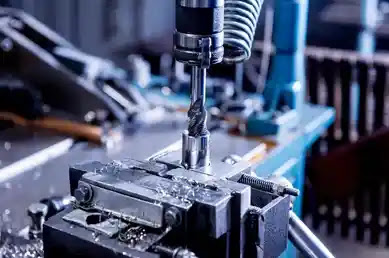
- Material:
The material of the drill bit affects its durability, sharpness, and the
types of materials it can drill. Common materials used for drill bits
include high-speed steel, cobalt, carbide, and diamond. - Design:
The design of the drill bit, including the point angle, flute design, and
overall shape, can affect its ability to cut through different materials
and produce clean, accurate holes. - Size:
The size of the drill bit determines the diameter of the hole it can
produce. Using a bit that is too small or too large for the job can result
in inaccurate holes or damage to the material being drilled. - Coating:
Some drill bits are coated with materials such as titanium or diamond to
improve their cutting ability, reduce friction, and extend their lifespan. - Speed:
The speed of the drill machine can affect the performance of the drill
bit. Different materials require different drill speeds to achieve optimal
performance. - Cutting
Fluid: Using a cutting fluid, such as oil or coolant, can improve the
performance of the drill bit by reducing heat buildup and prolonging the
life of the bit.
Overall, choosing the right drill bit for the job and
maintaining it properly can help ensure optimal performance and extend its
lifespan. It’s important to select the appropriate bit for the material being
drilled and to use the correct speed and cutting fluid, if applicable.